Old Barns, New Journeys: Gentle Tourism on Living Farmsteads
Today we explore ‘Reviving Heritage: Adaptive Reuse of Farmsteads for Low-Impact Rural Tourism,’ discovering how quiet design, patient stewardship, and neighborly partnerships can transform sleeping barns and byres into welcoming stays, learning places, and living landscapes where culture, ecology, and rural livelihoods thrive together. Join the conversation, share your memories, and subscribe for monthly field notes from fields, kitchens, workshops, and starlit lanes.
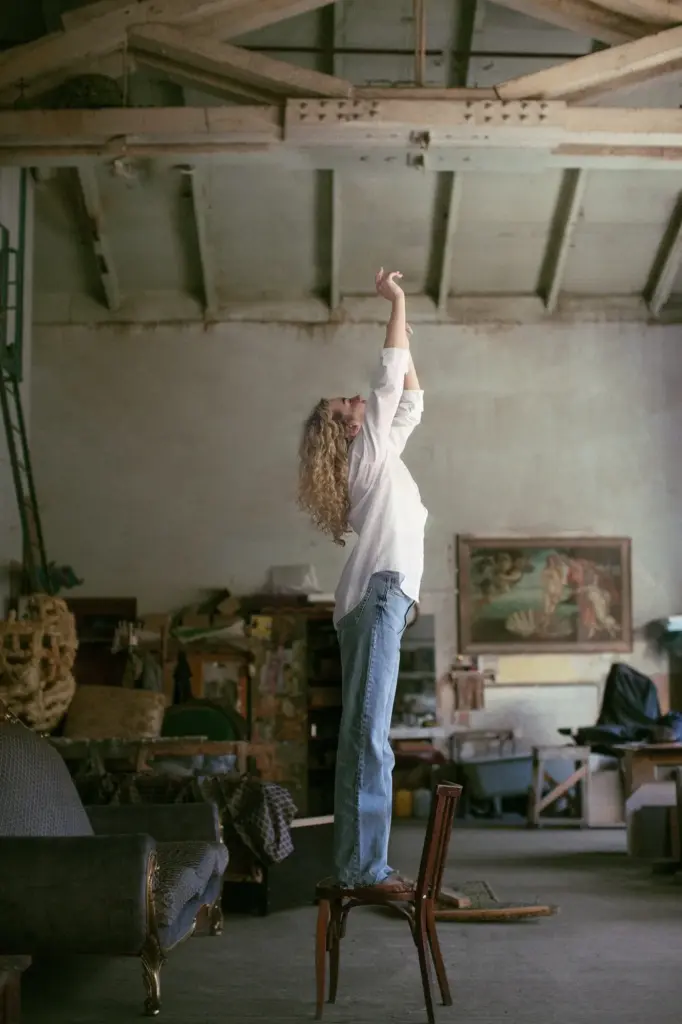
Listening to Walls That Remember
Before drawing lines, spend mornings just absorbing light, breeze, and creaks that map every joint. Ask elders about harvest dances, threshing flows, and where the draft horses turned. These observations reveal natural circulation, ideal room groupings, and respectful thresholds guests will feel immediately.
Craft That Honors Hands of the Past
Repair beams with scarf joints, not crude plates; let blacksmiths refit hinges; limewash instead of acrylics where breathability matters. Celebrate tool marks rather than hiding them. Guests read authenticity through fingertips, while craftspeople gain dignified work that keeps regional knowledge active and generously shared.
Regulations Without Losing the Soul
Codes protect safety, yet can flatten nuance when applied without context. Work with inspectors early, documenting structural logic, evacuation paths, and fire strategy that respects historic fabric. Model daylighting, add discreet sprinklers, and prove performance so approvals support character rather than erase it.
Design That Whispers, Not Shouts
Interventions should be legible but gentle, allowing threshing floors to breathe and cruck frames to remain readable. Think of design as a translation where modern comfort speaks softly through reversible joinery, tucked services, and finishes that age gracefully instead of loudly demanding attention.
Light, Air, and Quiet Comfort
Insert glazing in former wagon doors with set-back frames, preserving shadow lines while harvesting daylight. Use breathable insulation, night-purge ventilation, and ceiling fans to temper summers. Prioritize acoustic calm, letting wind in poplars, not compressors, provide background music for unhurried breakfasts.
Rooms That Follow the Grain
Let stable aisles become elongated galleries; haylofts host shared studios; granaries cradle compact ensuites with timber bins reinterpreted as cabinetry. Circulation follows former feeding routes, creating intuitive wayfinding that feels discovered rather than imposed, inviting guests to wander with curiosity and care.
Light Footprints Across Working Fields
Guests arrive for quiet mornings, bird calls, and starlight, not traffic and glare. Operations therefore minimize disturbance: clustered parking, soft paths, shielded lighting, and shared bikes. Farm routines remain primary, while hospitality threads respectfully between chores, seasons, and ecological cycles already underway.

Water, Soil, and the Slow Loop
Harvest rain from broad roofs for gardens and stock, filter greywater through reed beds, and return nutrients via careful composting. Paths avoid compaction, while mulches muffle steps. Guests learn stewardship through doing, understanding that each cup rinsed wisely protects downstream neighbors and song.
Energy That Belongs to the Landscape
Place solar arrays as hedgerow companions or barn-integrated skins, avoiding glare toward fields or lanes. Use ground-source or air-source heat pumps paired with thick envelopes. Wood stoves burn prunings in winter, monitored carefully to respect air quality while warming stories late.
Mobility for Unhurried Journeys
Provide pickup at the rural station, loan e-bikes with baskets, and map shaded loops linking meadow overlooks and cheese sheds. Encourage staggered arrivals, shared shuttles, and luggage carts, trading car noise for greetings, birdsong, and the easy pace of conversations on foot.
Seasonal Calendars Everyone Shares

Plot experiences around harvests, festivals, and wildlife rhythms, then publish the plan on a shared board. When frost threatens vines or a cow calves, guests understand changes as living reality, not inconvenience, strengthening empathy and deepening appreciation for rural timekeeping.
A Fair Basket of Incomes

Blend overnight stays with farm suppers, wool workshops, orchard picnics, and archive tours. Price transparently, earmarking portions for maintenance, wages, and habitat work. Diversification stabilizes cash flow, respects seasons, and invites visitors to value care as much as comforts and photographs.
Training Paths for Youth

Create apprenticeships in heritage carpentry, guiding, baking, and habitat tending, co-designed with schools. Pay stipends, certify skills, and celebrate achievements at markets. Young people stay rooted by choice, seeing futures where dignity, creativity, and green livelihoods grow beside family fields and friends.
Journeys Woven with Soil and Memory
Hospitality becomes unforgettable when stories attach to footsteps: the line where the 1924 flood crested, the oak that shaded laborers, and the ledger noting butter churned by moonlight. Experiences then move beyond selfies, carrying gratitude and responsibility back home with guests.


From First Sketch to First Harvest Season
Starting is as much about governance as drawings. Begin with alignment: owners, heirs, neighbors, and ecosystems agreeing on pace and purpose. Then phase construction to match cash flow and seasons, tracking impact with transparent dashboards that celebrate wins and illuminate course corrections.
All Rights Reserved.